12 Easy Amigurumi Fish Softie Crochet Patterns to Try
Small, squishy handmade sea creatures bring a touch of whimsy to a nursery shelf or a desktop. These soft plushies feel dense in the hand when worked with tight tension, making them durable enough for curious little ones to tug on. Beginners often appreciate how quickly these shapes come together, as most rely on simple increases and decreases to form the rounded body. You will master the art of working in continuous rounds, which keeps your color changes clean and your seam lines invisible. These projects provide a satisfying way to burn through those stray bits of cotton yarn lingering in your stash.
Why You’ll Love This Pattern
This beginner-friendly crochet coaster pattern uses simple, repeated stitches to create a dense, absorbent fabric ideal for protecting wood surfaces from moisture. The project works up in under thirty minutes, making it a reliable choice for last-minute gifts or using up small lengths of leftover cotton yarn. Its minimalist design relies on basic increasing techniques in the round, ensuring a flat result that does not curl at the edges. Because this pattern is worked in a continuous spiral, there are no unsightly seam lines to hide during the finishing process.
I managed to finish a full set of four coasters in one evening. The instructions were easy to follow and the final pieces look very professional on my coffee table.
— Sarah, casual crocheter
Pattern Overview & Skill Level
- Skill Level: Beginner
- Approximate Time: 20-30 minutes per coaster
- Construction: Worked in continuous rounds starting from a center magic ring
- Finished Dimensions: 4 inches (10 cm) in diameter
Materials & Supplies Needed
- Yarn: Worsted weight (#4) 100% cotton yarn, approximately 15-20 yards per coaster. Cotton is essential for heat resistance and absorbency.
- Hook Size: 5.0 mm (H-8) crochet hook
- Notions: Tapestry needle for weaving in ends, one stitch marker to track the start of rounds
- Safe yarn substitutions: You may use a wool blend, though it will be less absorbent than cotton. Acrylic yarn is not recommended for coasters as it can melt when exposed to hot mugs.
Stitch Guide & Abbreviations (US Terms)
- MR = Magic Ring: A method to start a project by crocheting over an adjustable loop.
- ch = Chain: Draw the yarn through the active loop on the hook.
- sc = Single crochet: Insert hook into stitch, yarn over, pull up a loop, yarn over, pull through both loops on hook.
- inc = Increase: Work 2 sc into the same stitch.
- st/sts = Stitch/Stitches
- sl st = Slip stitch: Insert hook, yarn over, pull through stitch and the loop on the hook.
Step-by-Step Pattern Instructions
Coaster Body
- Rnd 1: Start with a MR, work 6 sc into the ring. Pull the tail tight to close the center. (6 sts)
- Rnd 2: Work 2 sc in each st around. Place your stitch marker in the first stitch of this round and move it up as you progress. (12 sts)
- Rnd 3: 1 sc in next st, inc in next st. Repeat from * to * around. (18 sts)
- Rnd 4: 1 sc in each of the next 2 sts, inc in next st. Repeat from * to * around. (24 sts)
- Rnd 5: 1 sc in each of the next 3 sts, inc in next st. Repeat from * to * around. (30 sts)
- Rnd 6: 1 sc in each of the next 4 sts, inc in next st. Repeat from * to * around. (36 sts)
Finishing
Once you reach the end of Round 6, work one sl st into the next stitch to smooth out the edge. Cut your yarn, leaving a six-inch tail for weaving. Pull the yarn tail completely through the final loop. Use your tapestry needle to weave the end through the back of the stitches on the underside of the coaster. Trim any excess yarn close to the fabric, being careful not to cut the actual stitches.
Care & Washing Instructions
- Machine wash on a gentle cycle using cool water to prevent shrinking.
- Lay flat on a clean towel to air dry, reshaping the circle with your hands while damp.
- Do not use fabric softener, as this reduces the natural absorbency of the cotton fibers.
Pro Tips & Common Mistakes to Avoid
Consistent tension is necessary for a flat coaster; if your piece begins to cup or bowl, your stitches are likely too tight, so consider going up a hook size. Always keep your stitch marker in the first stitch of each round to avoid losing your place in the spiral. Weaving in your ends by traveling through the back loops only ensures that the bottom of the coaster remains smooth and will not scratch delicate furniture surfaces. You can increase the size of the coaster by continuing the pattern of increasing by 6 stitches every round, though you will need additional yardage if you choose to make them larger than 5 inches.
Frequently Asked Questions
Can I use a different yarn weight for this pattern?
Yes, you can use DK or bulky weight yarn, but you will need to adjust your hook size to match the yarn label and your stitch count will change the final size of the coaster significantly.
Why is my coaster curling at the edges?
Curling usually happens if your tension is too tight or if you are skipping stitches during the increase rounds. Ensure you are counting your stitches at the end of every round to maintain the correct count.
Is it okay to sell coasters made from this pattern?
You are welcome to sell finished items made using this design. I appreciate a small credit to the designer whenever possible, but it is not required for private sales.
How do I make the coaster thicker for extra heat protection?
You can hold two strands of worsted weight yarn together while using a 6.0 mm hook. This will create a thicker, more durable fabric that provides better insulation against hot beverages.
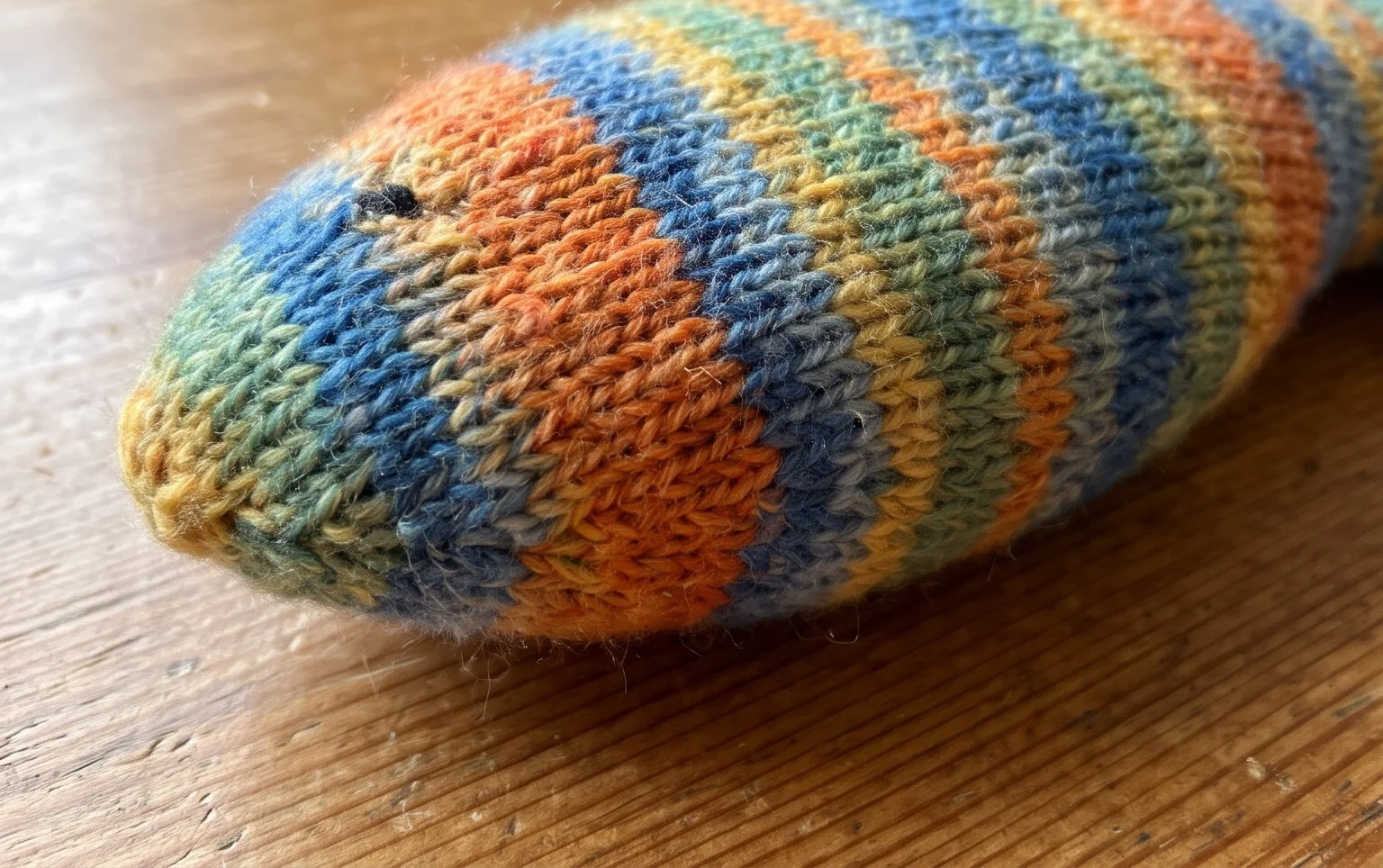
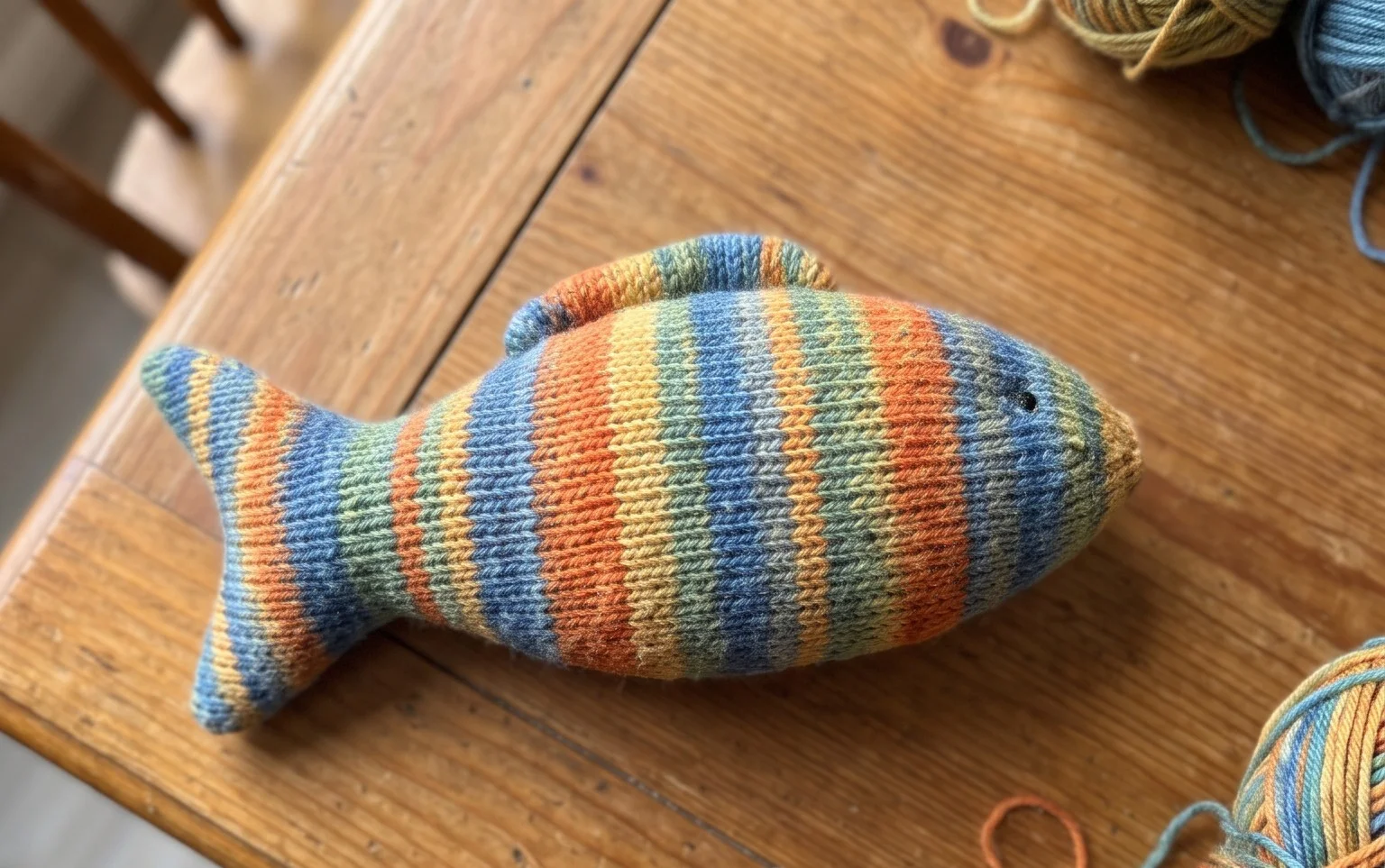
Finishing your handmade fish softie feels like a true accomplishment, especially when you see those tiny embroidered details bring the creature to life. Try using variegated yarn if you want to create a scaled look without needing to switch colors every row. I love seeing the creative palettes people choose, so please upload your finished project to social media so others can get inspired by your color choices. You can find more free aquatic animal patterns in our archives to keep building your colorful underwater collection throughout the coming months.